
AC Duct Repair is often needed when damaged, leaking, or poorly sealed ductwork prevents conditioned air from reaching rooms efficiently. Because ducts are usually hidden behind ceilings, walls, or other enclosed spaces, problems can develop unnoticed until you start noticing weak airflow, uneven cooling, unusual sounds, or higher energy bills.
Duct damage can happen for several reasons, including age, poor installation, loose connections, insulation deterioration, physical damage, or accumulated dust and debris. Even a relatively small leak can allow cooled air to escape before it reaches the living space, making the air conditioner work harder to maintain the desired temperature.
For homeowners and businesses in Dubai, DMBrandsDubai provides professional HVAC support for identifying duct problems and determining whether a section needs sealing, repair, insulation, or replacement. Understanding the warning signs and common causes can help you recognize duct issues early and know what to expect when professional repair is required.
Table of Contents
What Is AC Duct Repair?

AC duct repair is the process of fixing leaks, blockages, disconnections, or damaged sections in the ductwork that carries cooled air throughout a building.
It typically involves sealing leaks, reconnecting loose sections, and clearing obstructions to restore balanced, efficient airflow.
Signs Your AC Ducts Need Repair
| Sign | What It Usually Means |
|---|---|
| Weak airflow in some rooms | Blocked or disconnected duct section |
| Uneven room temperatures | Leaking or poorly routed ductwork |
| Rising energy bills | Air escaping before reaching rooms |
| Strange rattling or whistling noises | Loose sections or air leaks |
| Musty or stale odors | Mold, moisture, or debris buildup |
| Visible dust clouds from vents | Torn or degraded duct material |
What Causes Duct Damage Over Time
- Normal wear and aging, especially in ducts over 10–15 years old
- Poor-quality materials like thin foil or fragile fiberglass
- Improper installation with loose or misaligned connections
- Pest intrusion or rodents damaging duct material
- Moisture buildup leading to mold growth and corrosion
- Physical damage from renovations or nearby construction
How Duct Leaks Affect Your AC’s Performance
A leaking duct can lose a significant portion of cooled air before it ever reaches your rooms, forcing the system to run longer.
This extra strain increases energy consumption and accelerates wear on the compressor and other core components.
What Happens During a Professional AC Duct Repair
- Inspection — technicians check airflow at each vent and look for visible duct damage.
- Leak detection — pressure testing or smoke tests locate hidden leaks along duct runs.
- Sealing or patching — small leaks and cracks are sealed with duct mastic or specialized tape.
- Reconnecting sections — disconnected or collapsed duct segments are rejoined and secured.
- Insulation check — damaged insulation around ducts is repaired to prevent energy loss.
- Final airflow test — technicians confirm balanced airflow across all vents before finishing.
Duct Repair vs Duct Replacement

| Factor | Repair | Replacement |
|---|---|---|
| Duct age | Under 10–15 years | Over 15–20 years |
| Damage extent | Localized leaks or disconnections | Widespread wear or collapse |
| Cost | Lower upfront cost | Higher upfront, longer-term value |
| Best for | Minor to moderate issues | Severely degraded systems |
Duct Repair vs Duct Cleaning
Duct repair fixes physical damage like leaks, holes, and disconnections that affect airflow and efficiency.
Duct cleaning removes dust, debris, and allergens without addressing structural damage, and the two are often needed together.
Mistakes to Avoid With Duct Problems
- Ignoring uneven cooling for months before calling a technician
- Attempting DIY duct sealing without proper testing tools
- Assuming a high energy bill is always the AC unit’s fault
- Skipping insulation checks after a duct repair is completed
Preventive Maintenance for Healthy Ductwork
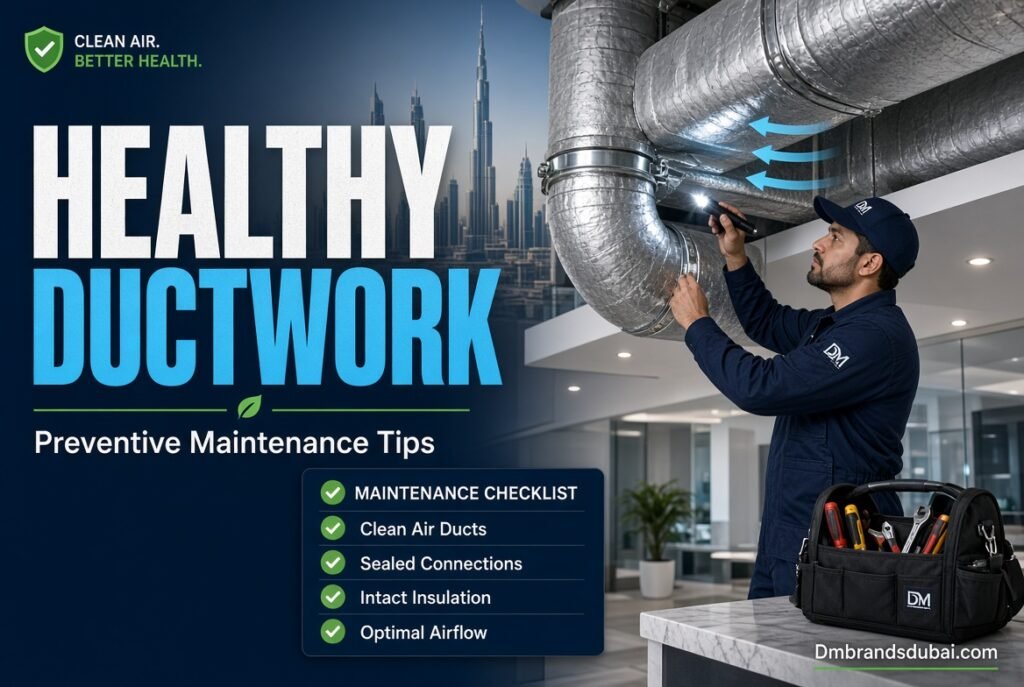
- Schedule a professional duct inspection at least once a year
- Replace air filters regularly to reduce dust buildup in ducts
- Address small leaks quickly before they widen
- Keep vents and duct openings free of obstructions
Frequently Asked Questions (FAQs)
What are the most common signs of AC duct damage?
Weak airflow, uneven room temperatures, and rising energy bills are the most common signs. Strange noises or musty odors from vents are also strong indicators.
How much cooled air can be lost through leaky ducts?
Poorly sealed ducts can lose a significant portion of conditioned air before it reaches your rooms. This forces the AC system to work harder and increases energy costs.
Can I repair AC ducts myself?
Minor tasks like clearing visible dust are safe to do yourself. Leak sealing and structural repairs should be handled by a professional for accurate diagnosis.
How long does AC duct repair take?
Most localized repairs take between 1 and 3 hours. Larger duct systems with multiple problem areas may take longer.
How do I know if I need duct repair or duct cleaning?
If airflow is weak or bills are rising, it’s likely a repair issue. If the main complaint is dust or odor without airflow problems, cleaning may be enough.
What materials are used to seal duct leaks?
Technicians typically use duct mastic or foil-backed tape designed for HVAC systems. Regular household tape isn’t durable enough for long-term sealing.
Can damaged ducts affect indoor air quality?
Yes, damaged or moldy ducts can circulate dust, allergens, and mold spores throughout your home. Repairing and sealing ducts helps improve overall air quality.
How often should ductwork be inspected?
Most experts recommend a professional duct inspection at least once a year. Homes with pets, renovations, or older systems may benefit from more frequent checks.
Is duct repair covered under an AC warranty?
Coverage varies by provider and depends on whether the damage was due to a manufacturing defect or general wear. It’s best to check your specific warranty terms.
What’s the difference between duct repair and duct replacement?
Repair fixes specific damaged sections, while replacement involves installing new ductwork entirely. Replacement is usually recommended for older or extensively damaged systems.
Why are my energy bills high even though my AC seems fine?
Leaking or disconnected ducts often cause this, since the system runs longer to compensate for lost cooled air. A duct inspection can confirm if this is the cause.
Can pests cause duct damage?
Yes, rodents and pests can chew through duct material or nest inside them, causing blockages and structural damage. Sealing entry points helps prevent this.
What tools do technicians use to detect duct leaks?
Common methods include pressure testing and smoke testing to visually or numerically identify leak locations. These are more reliable than a visual inspection alone.
Does duct repair improve cooling efficiency?
Yes, sealing leaks and fixing damaged sections restores proper airflow, helping the system cool more efficiently. This often leads to noticeably lower energy bills.
How do I choose a reliable technician for duct repair?
Look for licensed HVAC professionals with experience specifically in ductwork, not just AC units. Checking reviews and asking for a clear diagnosis before repair also helps.
Conclusion
AC duct repair often solves cooling problems that seem like they’re coming from the AC unit itself. Catching the early warning signs, from weak airflow to rising energy bills, can prevent small duct issues from turning into costly repairs.
Regular inspections paired with prompt repairs keep your system running efficiently and your home consistently comfortable.
📞 Contact us via phone, WhatsApp, or our online form for a free, no-obligation quote.
👉 Get Your Free Quote at DM Brands Dubai
DM Brands Dubai — licensed AC technicians serving homes, villas, and offices across Dubai Marina, JVC, Palm Jumeirah, Downtown Dubai, Business Bay, Al Barsha, Arabian Ranches, and beyond.